Save up to 30% on home batteries with Queensland Solar Rebate More Info

Save up to 30% on home batteries with Queensland Solar Rebate More Info

Save up to 30% on home batteries with Queensland Solar Rebate More Info

Commercial Solar Installation
on the Sunshine Coast

Customizable
Sustainable
Affordable pricing
Watch How It Works

Transform sunlight into clean, cost-effective energy for your home or business with our reliable solar solutions.

How Solar Affects a Commercial Electricity Bill

A residential electricity bill has one main cost component: how many kilowatt-hours were consumed. Most commercial bills in Queensland have two, and understanding the distinction changes how the financial case for solar looks for a business.

Consumption Costs and Solar Generation

The first component is consumption: the kilowatt-hours your business draws from the grid, billed at the applicable tariff rate. Solar generation during business hours offsets that draw directly. For every unit your system produces that your business consumes at the same time, you avoid purchasing it from the grid.


Businesses with consistent daytime loads, including hospitality venues, manufacturing operations, cold storage, and office buildings running through standard business hours, benefit most from this offset. The greater the overlap between your operating hours and solar generation hours, the stronger the consumption saving.

The second component is a demand charge, which applies to most Queensland businesses on commercial network tariffs. Demand charges are calculated on the maximum power your business draws from the grid during a measured interval in the billing period, typically a 30-minute window. The charge reflects the peak load placed on the network, regardless of how briefly that peak occurred.


A solar system generating during your business’s highest consumption period can lower the peak demand recorded by the network. The effect depends on timing: if your peak demand consistently falls during strong generation hours, the reduction can be meaningful. If your peak occurs outside those hours, solar alone will not address the demand component.


We review interval data and demand history, not just consumption totals, as part of every commercial assessment.

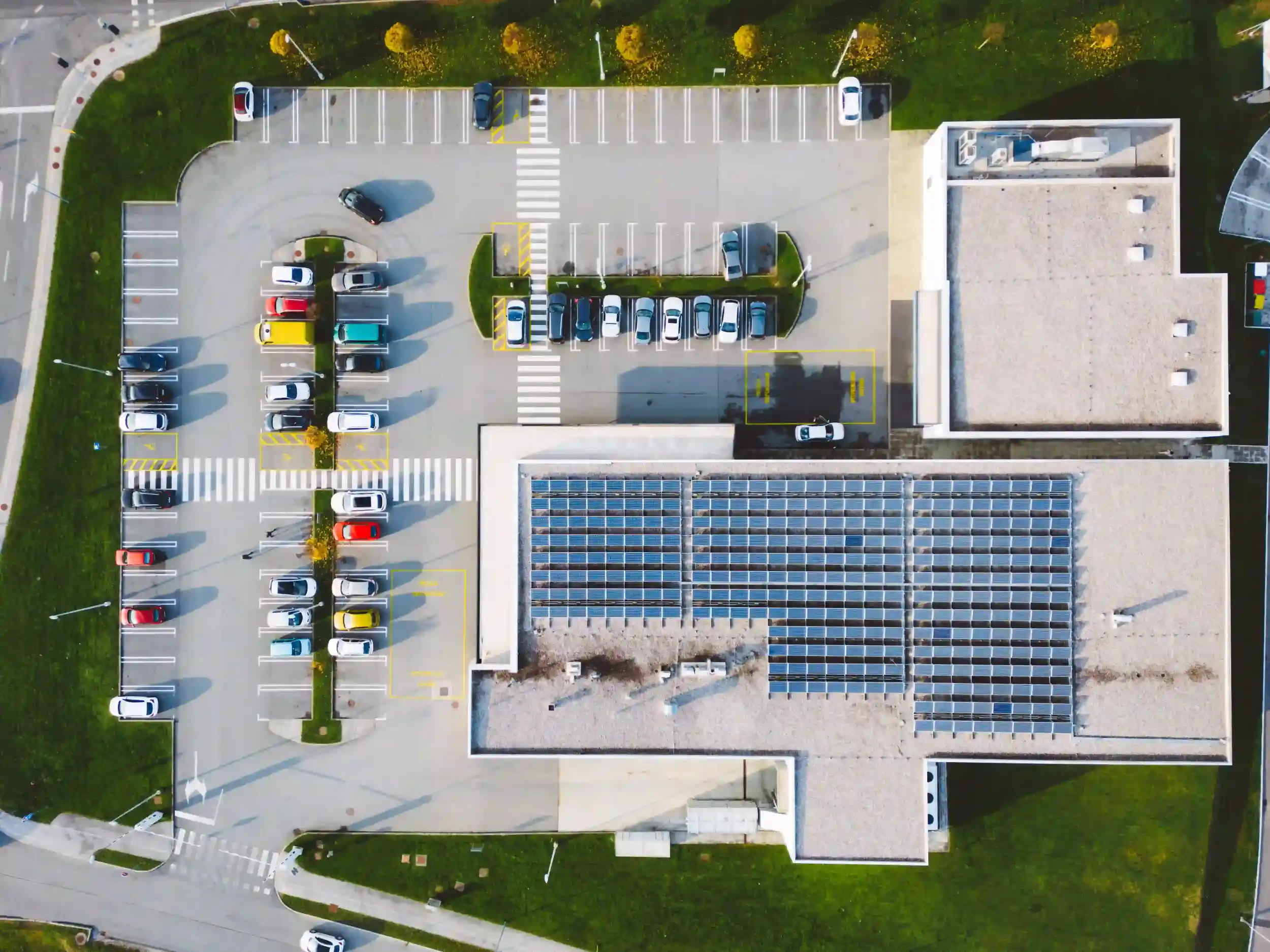
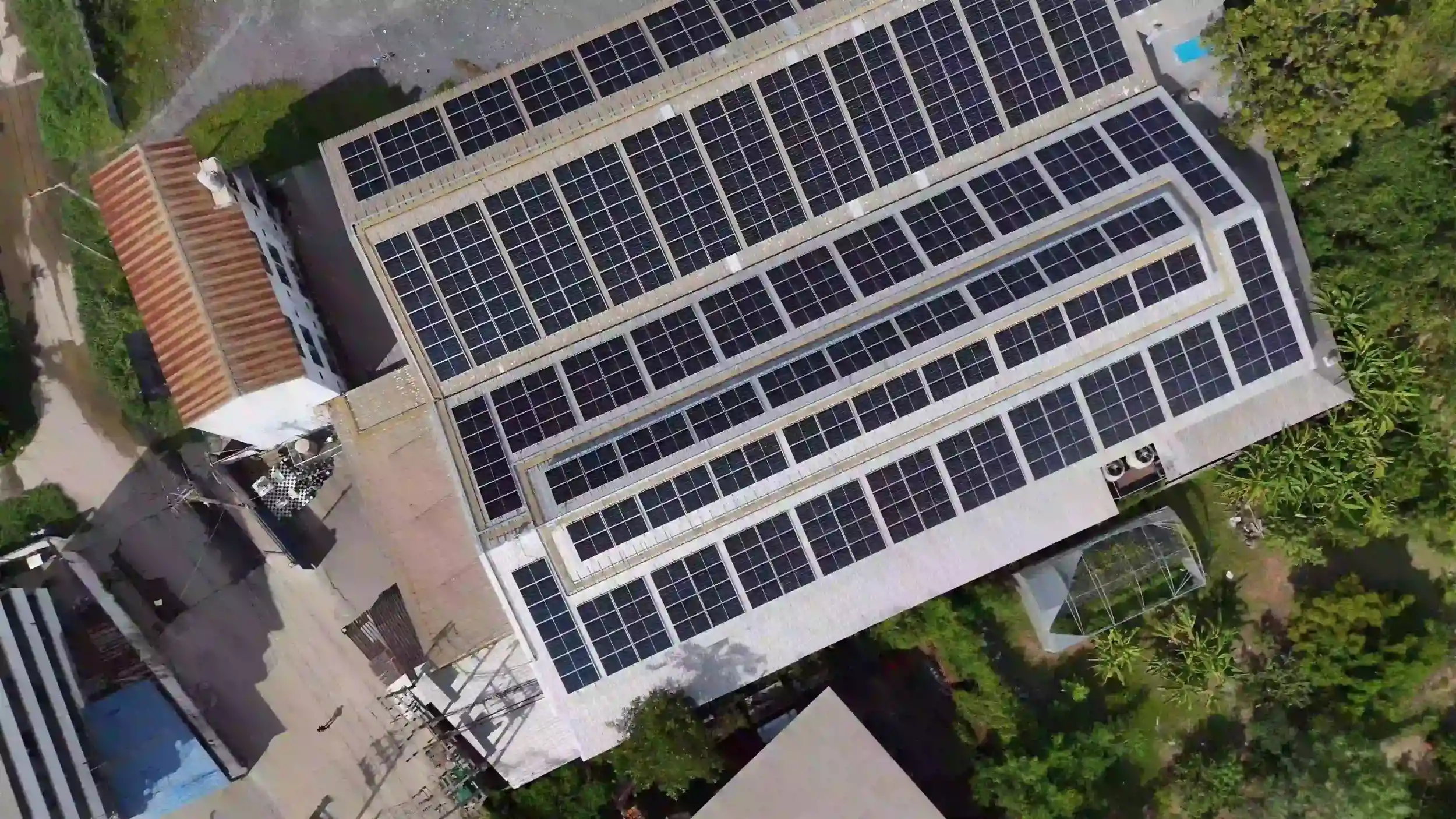
Aerial view of a commercial building in Rockhampton with a large rooftop solar system installed.

Commercial Properties on the Sunshine Coast

Hospitality and tourism businesses, from coastal accommodation and restaurants in Noosa and Mooloolaba through to function centres and resorts, typically run consistent daytime loads across air conditioning, kitchen equipment, and guest services. Industrial and warehousing businesses in precincts around Bells Creek, Caloundra, and Nambour tend to have large unobstructed roof areas combined with high daytime consumption: two conditions that make a compelling case for a larger commercial system.


Retail premises, medical centres, professional services offices, and education facilities benefit from midday generation that aligns with peak business activity. Agricultural operations across the Sunshine Coast hinterland, covering nurseries, orchards, and processing facilities, use commercial solar for pumping, refrigeration, and other continuous loads.


The right system design starts from understanding the load profile of each specific property, not from the sector it belongs to.

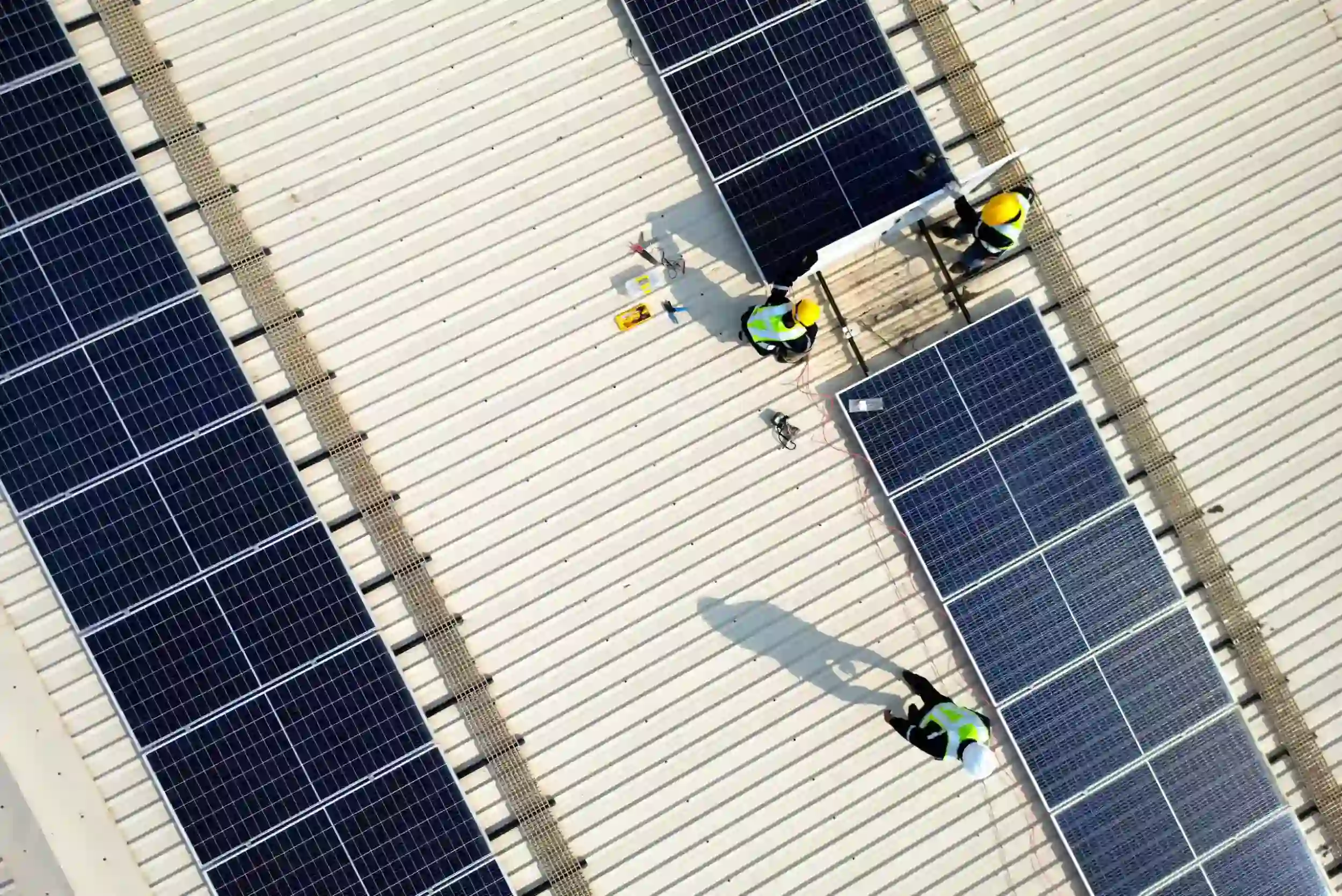
Commercial solar installation workers mounting panels on a large Rockhampton commercial rooftop.
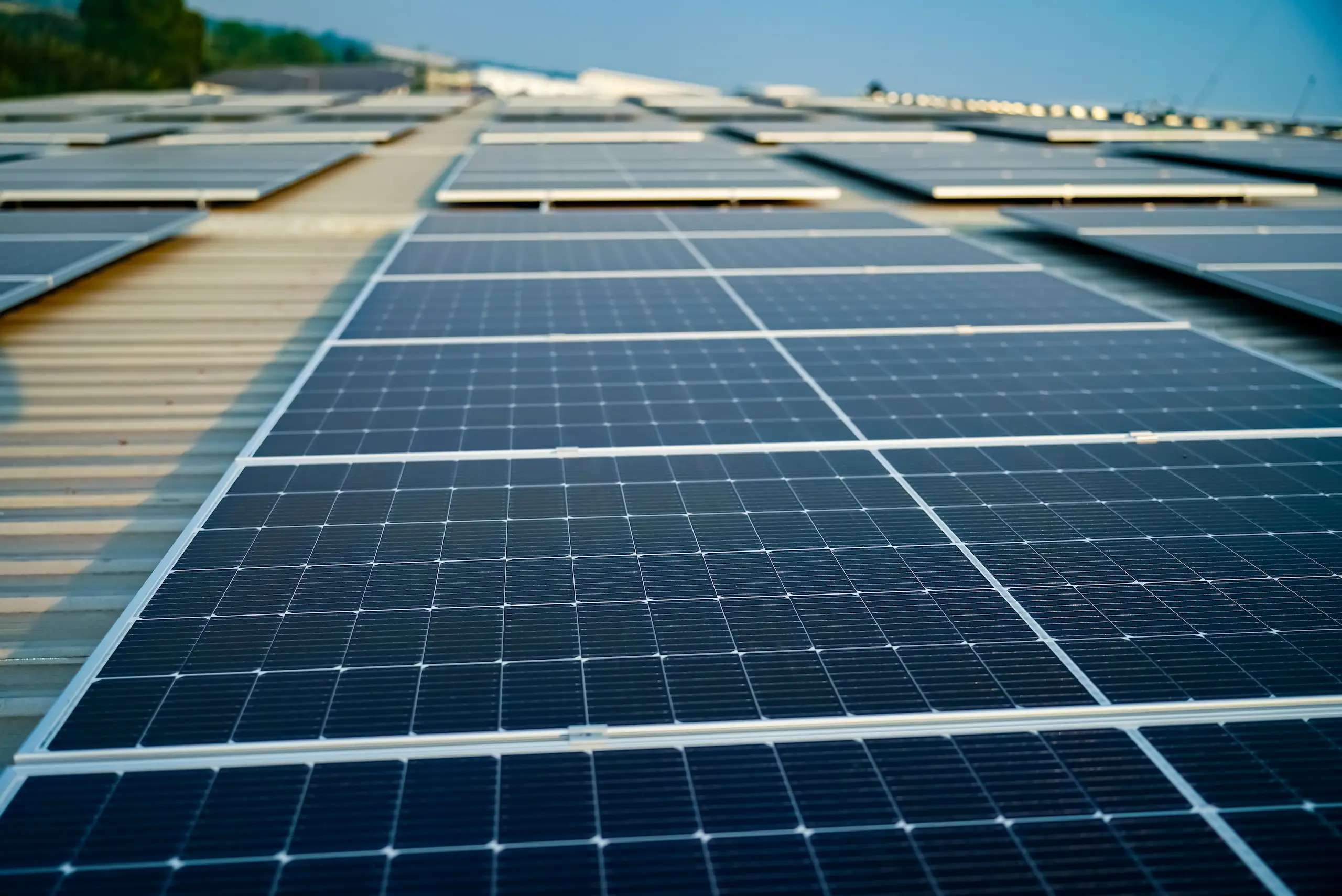
Close-up view of commercial-scale solar panels installed on a large Rockhampton rooftop.
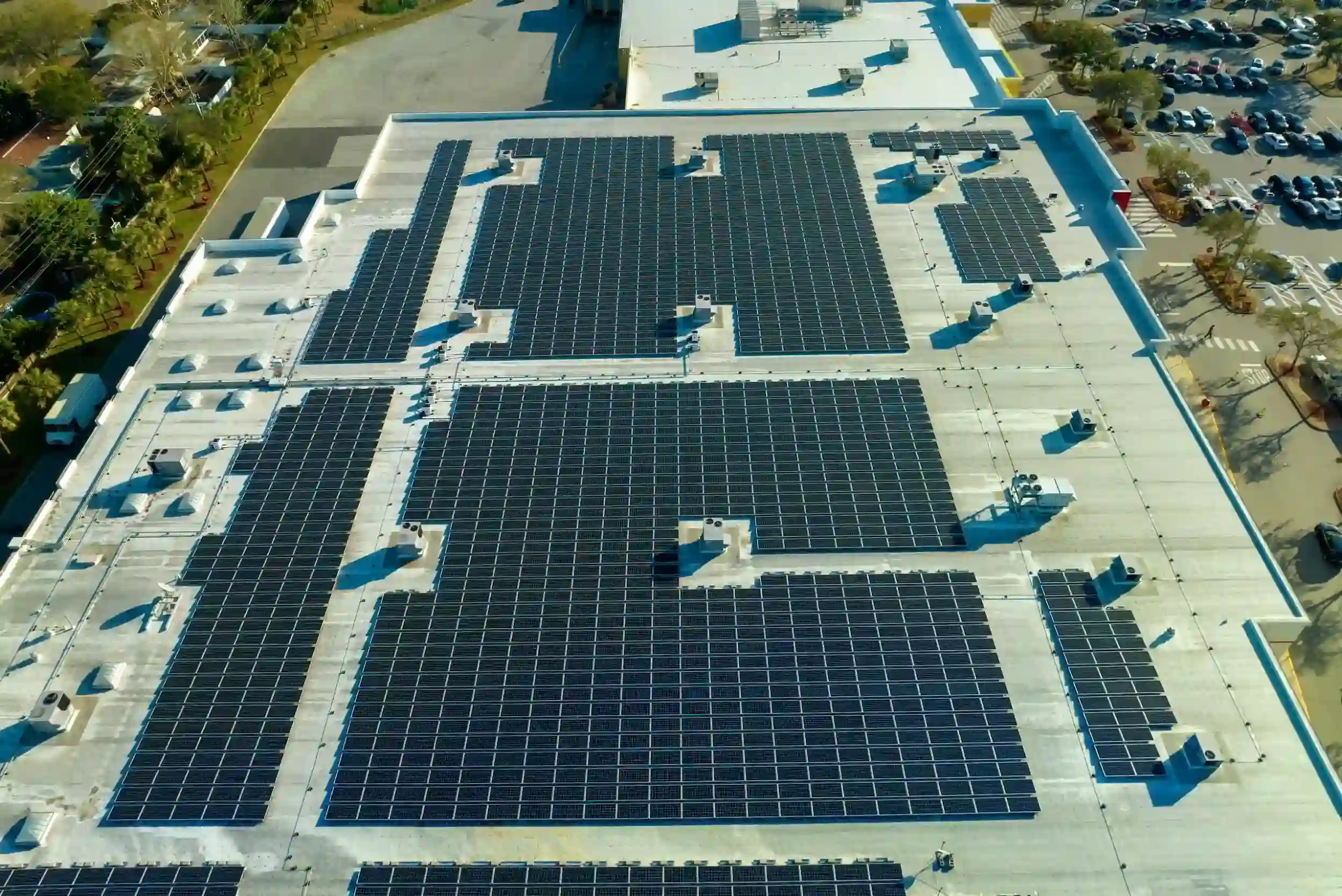
Large-scale commercial solar system installed across an industrial rooftop in Rockhampton.

Designing a Commercial Solar System

Commercial system design starts with a consumption audit. We obtain your electricity bills and interval data, review when your load is highest across the day, and assess how much of that consumption a solar system would displace under typical generation conditions.

For properties where the roof is unsuitable or limited in area, ground-mounted systems and carport canopy installations are practical alternatives. Carport canopies provide two functions: solar generation and covered parking, which is relevant for hospitality and retail properties with significant car park area.


Three-phase power supply, standard on most commercial and industrial premises, supports larger inverter configurations and more flexible system layouts. Commercial installations on the Sunshine Coast range from 10kW for smaller business premises through to several hundred kilowatts for larger industrial or multi-building sites.

Incentives and Finance for Commercial Solar

Commercial solar installations under 100kW are eligible for Small-Scale Technology Certificates (STCs) under the federal scheme. STCs reduce the upfront purchase cost and are applied by the installer at the point of sale. The number of certificates depends on system size, postcode, and the deeming period remaining before the scheme closes in 2030.


For systems above 100kW, STCs do not apply. Installations at this scale may be eligible for Large-scale Generation Certificates (LGCs) under the Large-scale Renewable Energy Target, which operates through a separate accreditation process with different administrative requirements. We advise on which mechanism applies to your system size during the assessment.


Equipment finance and commercial green loans allow the investment to be structured so that repayments align with reduced energy costs from the first billing period. Leasing arrangements and power purchase agreements are also available for businesses that prefer not to carry the asset on their balance sheet. Specific advice on tax treatment is best sought from your accountant or financial adviser.


For a breakdown of current rebate programs applicable in Queensland, visit our Queensland solar rebates guide.

Aerial view of a large commercial rooftop solar system installed on a Rockhampton industrial building.

Planning Installation Around Business Operations

Commercial solar installations take longer than residential projects. A medium-sized commercial system typically requires two to five days on site. Larger installations may span several weeks and require staged access arrangements agreed in advance.


We plan the project schedule around your operating requirements. For businesses that cannot close during installation, we confirm which areas require access each day and schedule work to avoid peak trading hours or critical operational periods where possible. For leased premises, we coordinate with building owners and body corporate managers, and handle network notification with Energex on your behalf.


All work is completed to Australian Standards. Documentation for building records, warranty registration, and insurer notification is provided on completion.

Monitoring and Ongoing Support

Every commercial system we install includes monitoring software that tracks output in real time and logs historical generation data. When performance drops or a fault occurs, alerts are sent directly rather than leaving the issue to surface on a bill weeks later.

For businesses with multiple buildings or larger installations, scheduled performance reviews and panel cleaning can be arranged on a service agreement. Support is provided through the same local Sunshine Coast team. For more on how we approach system design, see our full solar panel installation service.

Why Choose National Solar Network

  • SAA-accredited installers on every commercial job, with no subcontracting to unaccredited teams
  • Demand data reviewed as part of every assessment: consumption totals alone do not tell the full financial story
  • Local Sunshine Coast team, based in Bells Creek, with knowledge of regional commercial precincts, property types, and Energex commercial connection requirements
  • Transparent incentive advice: STC eligibility and applicable programs confirmed before contracts are signed
  • Direct aftercare: monitoring, fault response, and performance support through the same team that installed your system

Get a Commercial Solar Quote on the Sunshine Coast

If you are considering solar for your Sunshine Coast business premises, the starting point is a site assessment and a review of your electricity data.


Contact National Solar Network to arrange a consultation. We work with businesses across the full Sunshine Coast region, from Caloundra and Maroochydore through to Noosa and the hinterland.

Aerial view of a large commercial rooftop solar system installed on a Rockhampton industrial building.