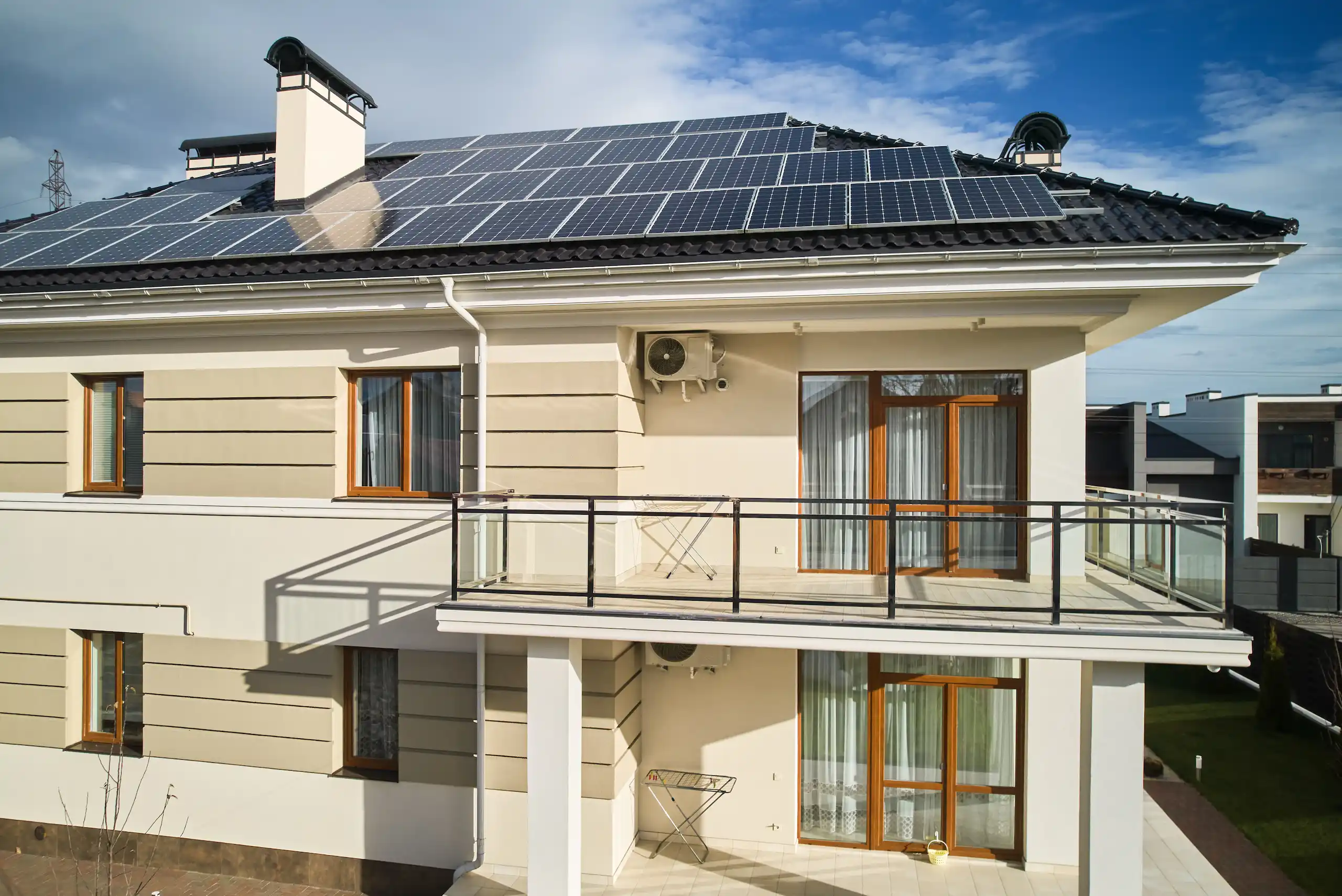
Transform sunlight into clean, cost-effective energy for your home or business with our reliable solar solutions.
Solar incentives in Queensland come from two separate sources: the federal government and the Queensland state government. The eligibility conditions, application processes, and amounts differ significantly between them, and the two are frequently blended together in ways that create confusion when comparing quotes.
Currently active programs:
Supercharged Solar for Renters: Queensland state government. A rebate for landlords installing solar on eligible rental properties.
STCs are the primary federal mechanism reducing the cost of a residential or small commercial solar panel installation. When a qualifying system is installed, it generates certificates based on system capacity, installation location (Queensland falls within a well-rated STC zone), and the years remaining in the scheme, which runs to 31 December 2030.
The installer claims the certificates on your behalf and applies their value directly to the purchase price. The amount varies: the market value of each STC fluctuates, and the number of certificates generated decreases each year as the scheme approaches its close date.
Eligibility requirements:
The federal Cheaper Home Batteries Program launched on 1 July 2025 and provides a direct reduction of approximately 30% on the cost of eligible battery storage systems. Applied at point of sale by the installer. No separate application required.
The program runs through 2030, with the discount reducing in stages. Batteries installed earlier attract a larger reduction.
Eligibility requirements:
The VPP requirement is worth understanding before committing to a specific battery. It means the battery must be technically capable of participating in a VPP network, even if you choose not to enrol. Not all batteries on the Australian market include this feature.
A feed-in tariff is not a rebate. It is an ongoing credit for surplus solar energy exported to the grid. It affects long-term returns but does not reduce the upfront cost of installation.
In South-East Queensland, FiT rates are market-determined by your electricity retailer. In Regional Queensland, the government sets a regulated minimum of 8.66 cents per kilowatt-hour for 2025-26.
The practical value depends on how much your system actually exports. A household that absorbs most of its solar generation during the day exports little and receives a small FiT credit. One that exports heavily earns more, but at a rate well below what it pays to buy electricity back in the evening. Systems must be under 30kW to receive a FiT in Queensland.
Two programs have closed recently and are no longer accepting applications.
The Queensland Battery Booster closed in late 2024, superseded by the federal Cheaper Home Batteries Program above.
The Queensland EV Rebate ($6,000 for eligible new EVs) closed in September 2024.
References to either program on older websites or forum discussions should be treated as outdated. Verify current availability directly with the relevant government department before making purchasing decisions based on them.
When National Solar Network provides a quote for a solar or battery installation on the Sunshine Coast, applicable rebates are factored into the price before you see the total. STC reductions and the Cheaper Home Batteries Program discount are both applied by us at point of sale. You do not need to claim them separately.
Before any contract is signed, we confirm which programs your system and property are eligible for, and under what conditions.
Contact National Solar Network to arrange a free consultation. We confirm rebate eligibility as part of every initial assessment across the full Sunshine Coast region.
Return of Investment
Project in Launch