Transform sunlight into clean, cost-effective energy for your home or business with our reliable solar solutions.
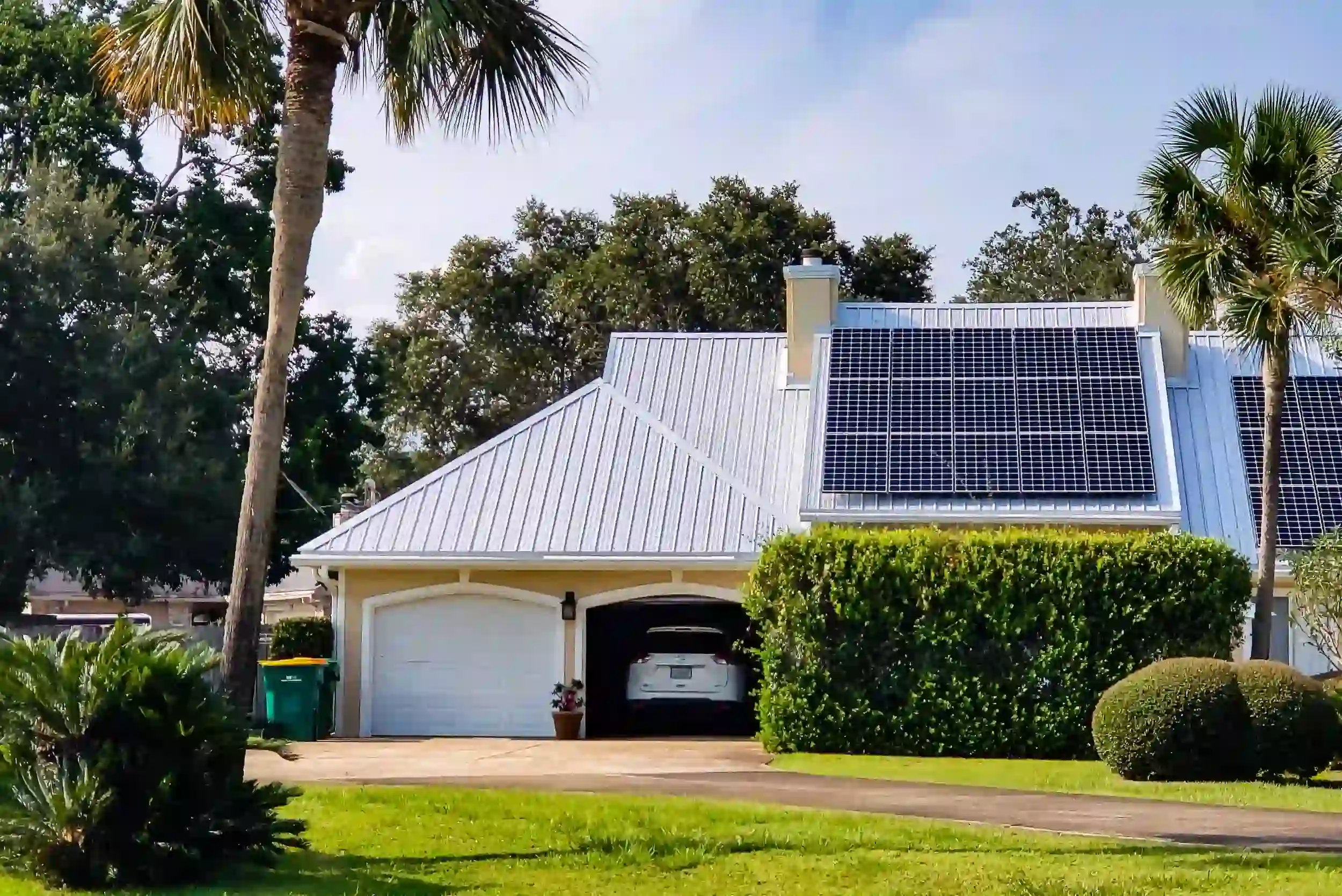
For most Sunshine Coast properties, the answer is yes, but “suitable” is worth unpacking. The output a residential solar system delivers depends on roof geometry, available unshaded area, and a few structural factors worth reviewing before settling on a system size.
A north-facing roof captures the most solar irradiance through the day and is the preferred orientation for residential generation. East and west-facing sections generate less than a north-facing equivalent but contribute useful output in the morning and afternoon. Many Sunshine Coast homes with limited north-facing space work well with split-orientation systems spread across two roof faces.
Roof pitch also plays a role. Most residential roofs in Queensland sit between 15 and 25 degrees, which works well for solar. Flat or very low-pitch roofs can be accommodated with tilt-mounted frames, though this adds to installation cost. The practical minimum for a workable residential system is roughly 20 to 25 square metres of usable, unshaded roof space.
Shading from trees, neighbouring structures, or fixtures such as air conditioning units reduces output from any panel that falls in shadow. Modern inverter and microinverter configurations can partially manage partial shading, but product choice cannot eliminate its effects entirely.
Roof condition is worth raising before installation. A roof approaching end of service life will need re-sheeting at some point. Doing so after panels are installed adds cost, because the panels and mounting hardware must be removed and refitted. If your roof is older, we recommend assessing its condition as part of the pre-installation process.
System size is often treated as a function of roof space, but the more useful question is when your household uses electricity through the day. Solar generation peaks between roughly 9am and 3pm. A system matched to your consumption pattern during those hours delivers more direct value than one sized purely to fill available roof space.
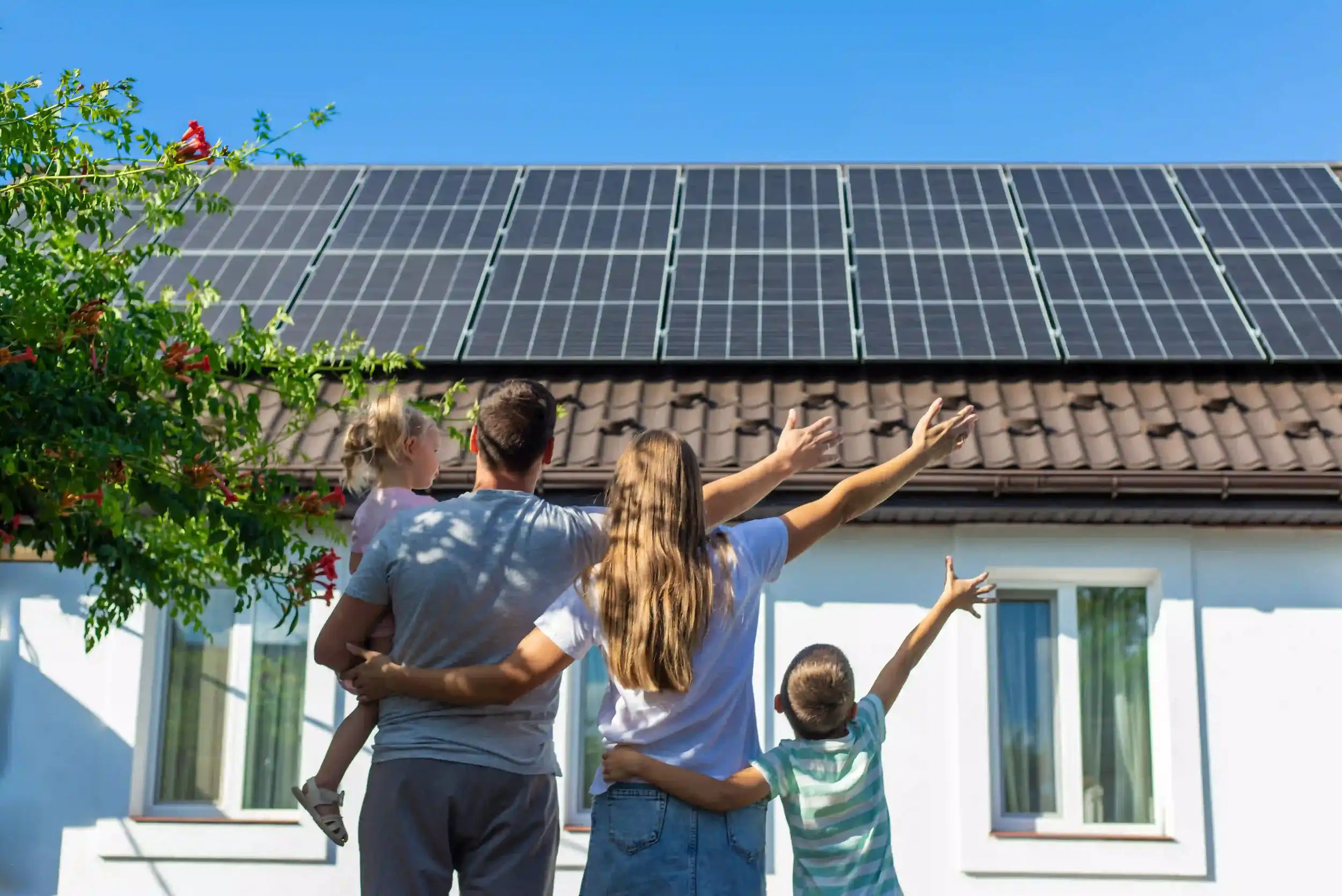
A household with consistent daytime occupancy, such as a work-from-home arrangement, a home with young children, or a retired couple, can absorb solar generation directly as it is produced. Running high-consumption appliances during generation hours, including the dishwasher, washing machine, pool pump, and air conditioning, reduces grid reliance and increases return from every kilowatt-hour generated.
A household where everyone leaves early and returns after 5pm draws most of its electricity outside solar generation hours. For this profile, the financial case for solar is still valid, but battery storage alongside panels meaningfully improves it by storing midday surplus for evening use rather than exporting it at the feed-in tariff rate.
For a Sunshine Coast household with moderate usage and two to four occupants, a system in the 6.6kW to 10kW range typically covers a significant share of daily consumption. Larger households, or those running ducted air conditioning, a pool, or a home office, generally benefit from sizing toward 10kW to 13kW.
These are starting points. We use your actual electricity bills and an assessment of your load profile to arrive at a specific recommendation, rather than defaulting to the nearest standard package.
Component | What to look for |
Panels | 30-year linear performance warranty, tested to Australian Standards, suited to Queensland heat and UV exposure |
Inverter | 10-year warranty, established local service network in Australia, compatible with monitoring software |
Mounting | Secured to roof structural members, not sheeting alone; corrosion-resistant hardware for coastal properties |
Cabling | UV-rated throughout, routed to minimise direct exposure where possible |
Monitoring | Live generation and consumption data via smartphone app, with capability to flag performance drops |
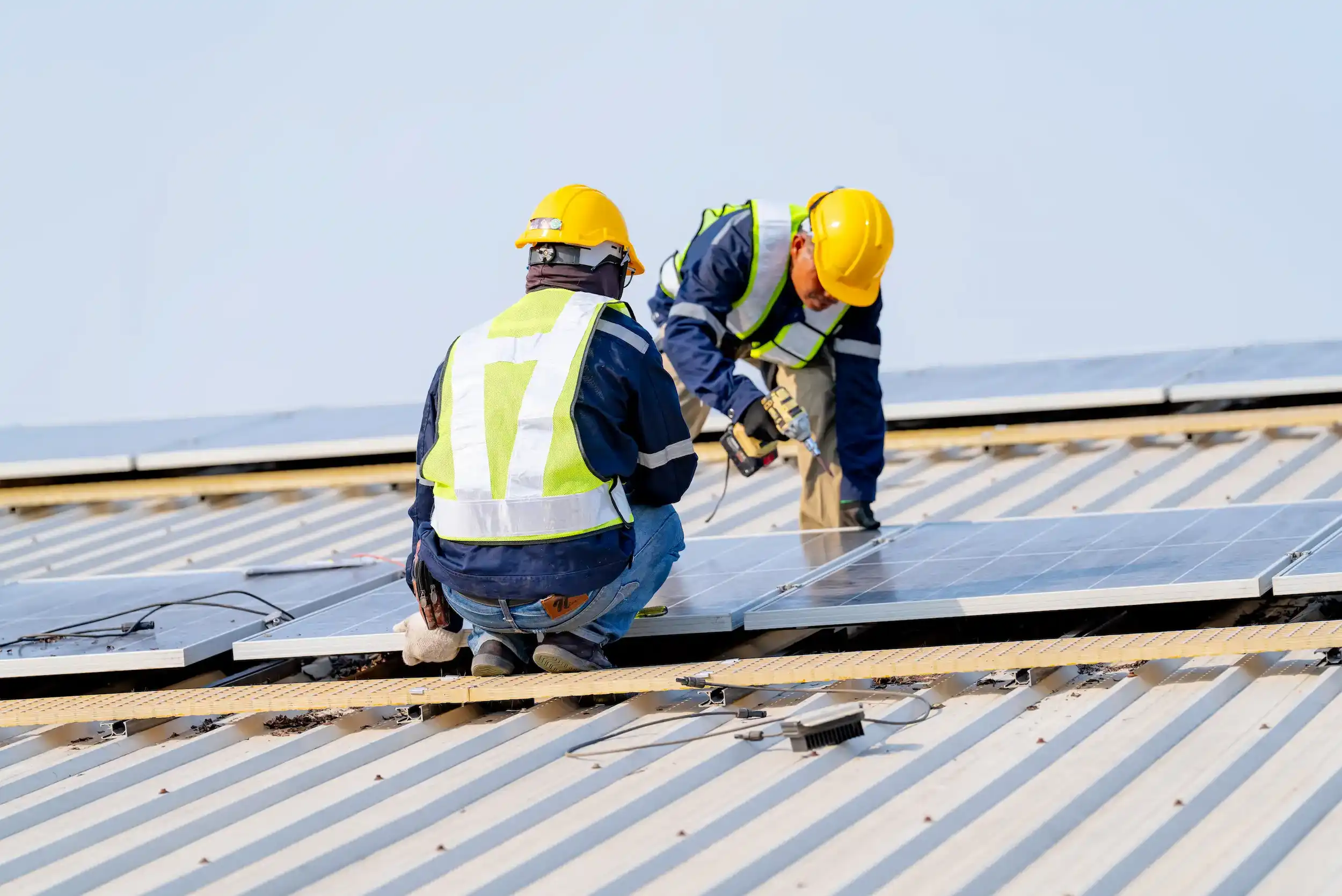
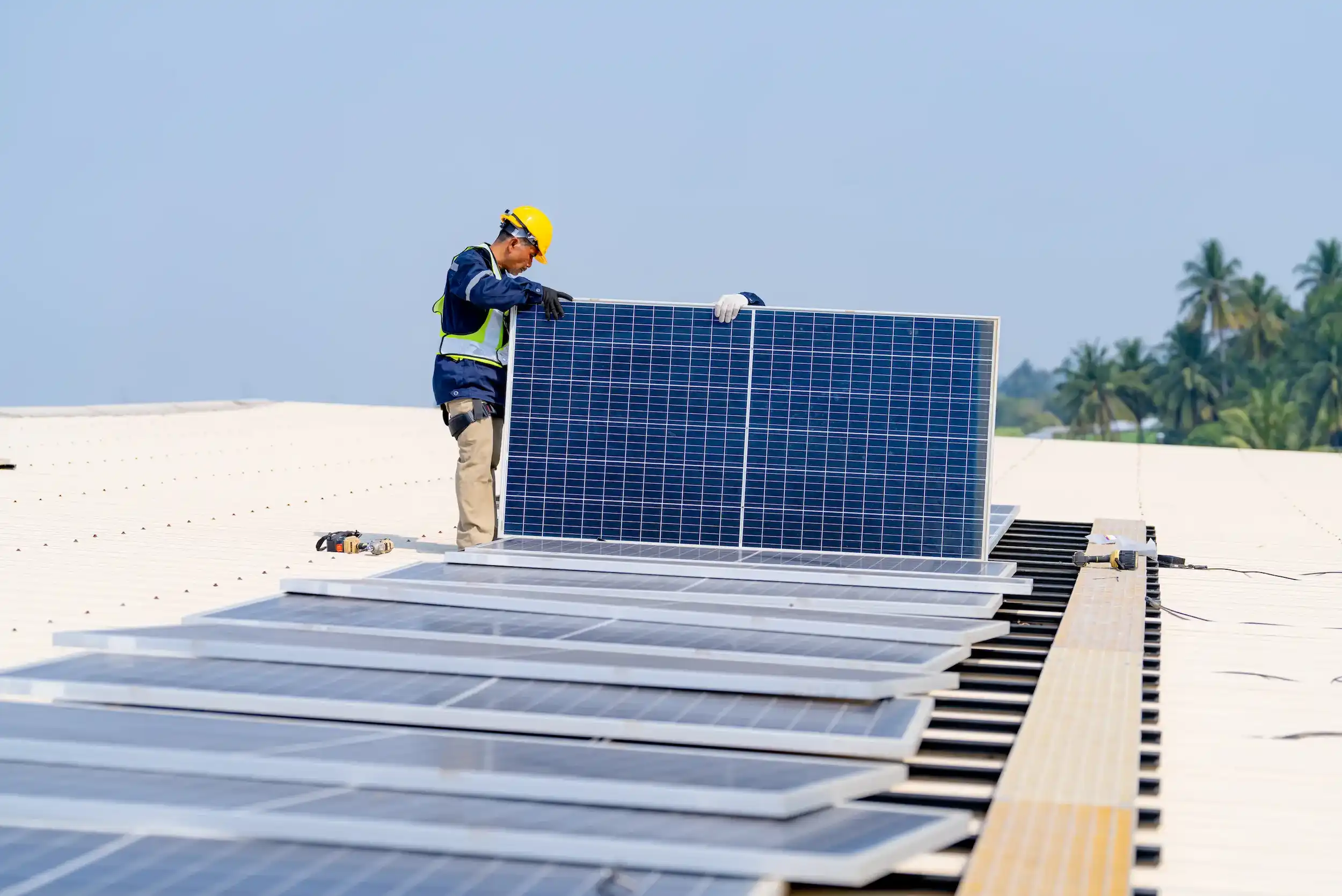
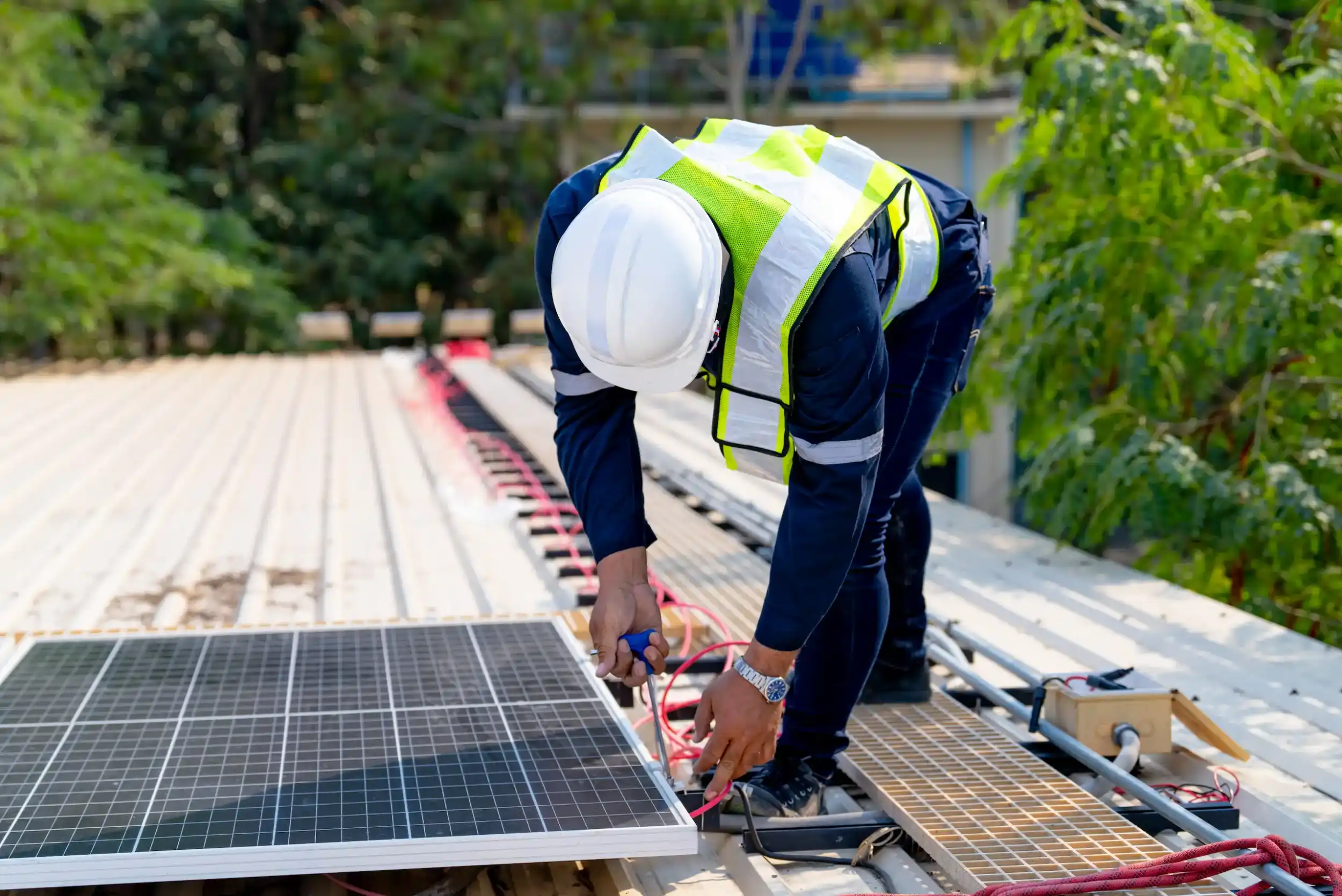
Every residential installation we complete includes monitoring setup and full documentation for panels, inverter, and workmanship warranties. For a detailed walkthrough of the installation process, see our solar panel installation service page.
Account for future loads early. If you are planning to add an EV charger, a heat pump, or a pool in the next few years, factoring those into the system design now is more cost-effective than sizing up later.
Battery storage extends the usefulness of a residential solar system for households with significant evening consumption. Rather than exporting surplus midday generation at the feed-in tariff rate, a battery stores it and releases it after dark when you would otherwise buy from the grid at the retail rate.
Whether the addition makes financial sense depends on your export volume and your evening consumption pattern. Storage can be added after installation if the inverter supports it, or designed in from the outset. Our solar battery storage service covers compatible products, options, and the federal rebate currently available on eligible systems.
Monitoring and aftercare included: direct support through the same local team after commissioning
If you are considering residential solar for your Sunshine Coast home, the clearest starting point is a site assessment covering your roof, your bills, and your household’s usage pattern.
Contact National Solar Network to arrange a free consultation. We cover the full Sunshine Coast region, from Caloundra and Kawana through to Noosa and the hinterland.