Transform sunlight into clean, cost-effective energy for your home or business with our reliable solar solutions.
A solar panel system generates the most electricity during daylight hours, often more than a household needs at that time. Without storage, that surplus goes back to the grid at the feed-in tariff rate, which sits considerably below the retail rate you pay to buy electricity back after dark.
A battery captures that excess and releases it in the evening, reducing how much you draw from the grid during peak-rate hours. The financial benefit depends on how much your system currently exports and how high your evening electricity consumption is. If your household already uses most of its solar generation during the day, the case for battery storage is weaker than for a home with high demand after 4pm. Your bills and current export data give the clearest picture.
Queensland feed-in tariffs currently sit well below the retail electricity rate. That gap is the core financial argument for battery storage: every kilowatt-hour you store and use yourself is worth more than the same unit exported to the grid.
For households with high evening demand, such as families returning home after 4pm, battery storage can meaningfully shift how much grid electricity they consume. For properties with low overnight loads or consistent daytime occupancy, the benefit narrows. Understanding your own consumption pattern before committing to a system size is the most useful step you can take early in the process.
This distinction is worth being direct about. Many grid-connected battery systems installed in Australia are not configured to provide backup power during a grid outage by default. Australian electrical standards require battery systems to shut down when the grid fails, to prevent back-feeding live electricity into the network where workers may be present.
Backup capability requires specific hardware configuration. Some batteries, such as the Tesla Powerwall, include a backup gateway as a standard component. Others need an additional device to enable islanding operation. If blackout protection is your primary reason for considering storage, confirm during the consultation that the system being quoted is specifically designed and configured to deliver it. Not every option on the market is.
National Solar Network installs battery systems from established manufacturers with a track record in the Australian market. Each option has different capacity ranges, warranty terms, and compatibility requirements, and the right choice depends on your existing or planned solar setup.
Tesla Powerwall:
Integrated backup capability included as standard. Supports virtual power plant participation and is compatible with most inverter configurations.
BYD:
Modular design allowing capacity to be added in stages, well-suited to larger homes or those anticipating growing energy needs.
Sungrow:
A natural pairing for homes already running a Sungrow inverter, with native integration for simplified monitoring and control.
GoodWe and Enphase:
Options suited to specific system designs, particularly where hybrid or microinverter configurations are in use.
Battery capacity is specified in usable kilowatt-hours and sized to your consumption profile and solar output. Most residential installations on the Sunshine Coast sit between 10kWh and 20kWh, though the right size varies with each property.
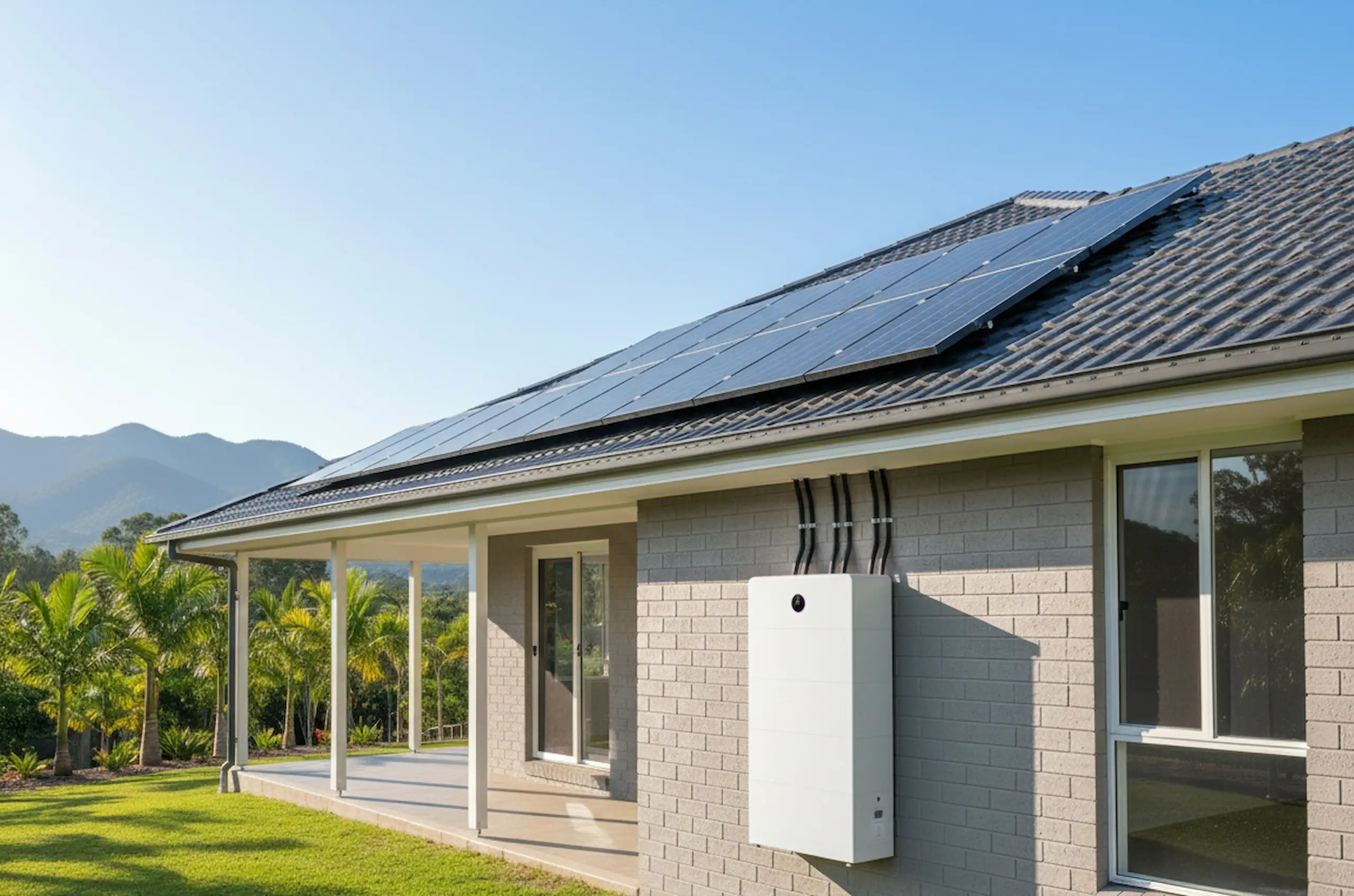
On installation location: battery enclosures perform best in sheltered, temperature-stable environments away from direct sun and salt air. For coastal properties in areas like Bokarina, Coolum Beach, or Peregian Springs, we factor siting into the design assessment from the outset.
The federal Cheaper Home Batteries Program provides a direct reduction in the upfront cost of eligible battery systems. The discount is calculated on the usable capacity of the battery and applied at the point of sale by the installer, so it appears in your quote rather than being claimed separately afterwards.
To qualify, the battery system must meet minimum capacity requirements and be installed by an approved retailer. The program runs through 2030, with the per-kilowatt-hour discount reducing in stages over that period. Installations completed earlier in the program timeline attract a larger reduction than those completed closer to the end date.
We manage the program paperwork on your behalf. Before any contracts are signed, we confirm what your system qualifies for and under what conditions. Where Queensland-specific programs may apply alongside the federal scheme, we include those in the assessment as well.
For a detailed breakdown of current incentives, visit our Queensland solar rebates guide.
If you already have solar panels installed, adding battery storage is possible in most cases, but compatibility varies depending on your current inverter.
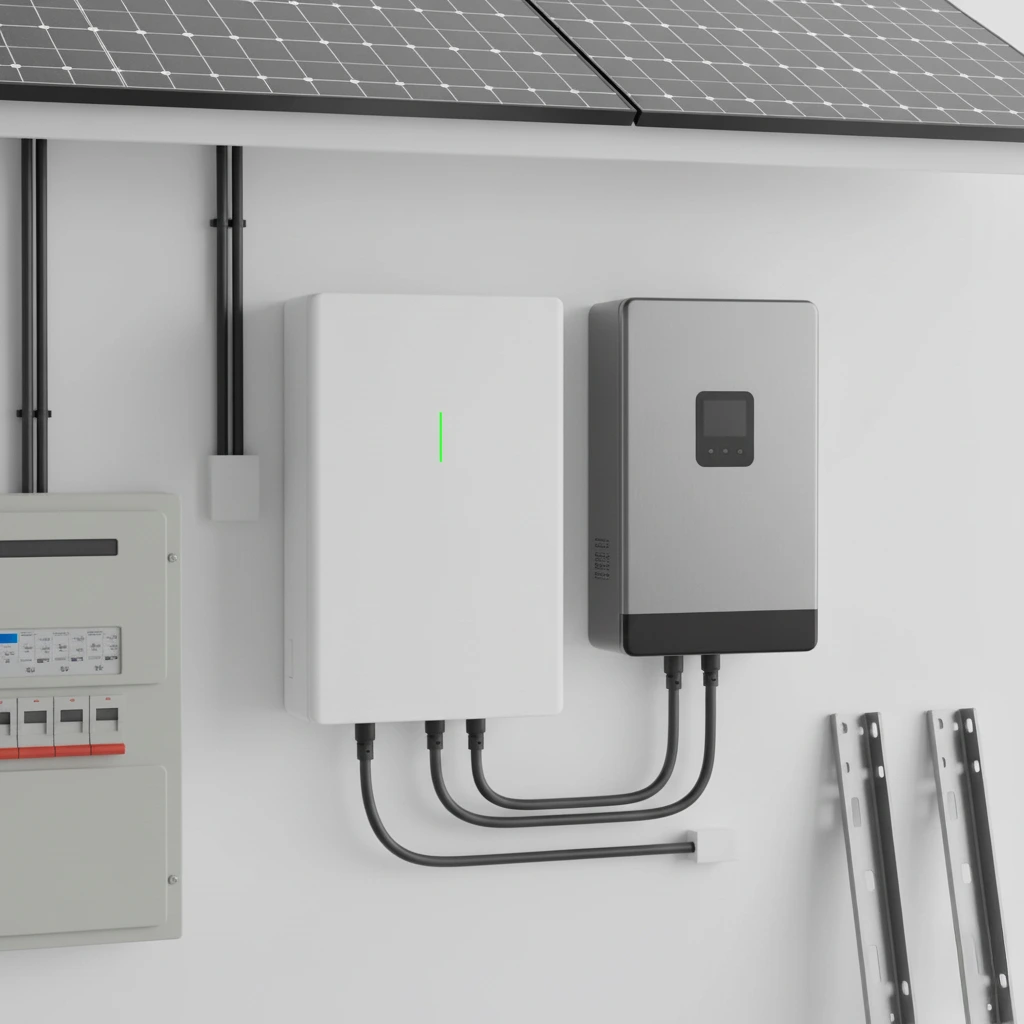
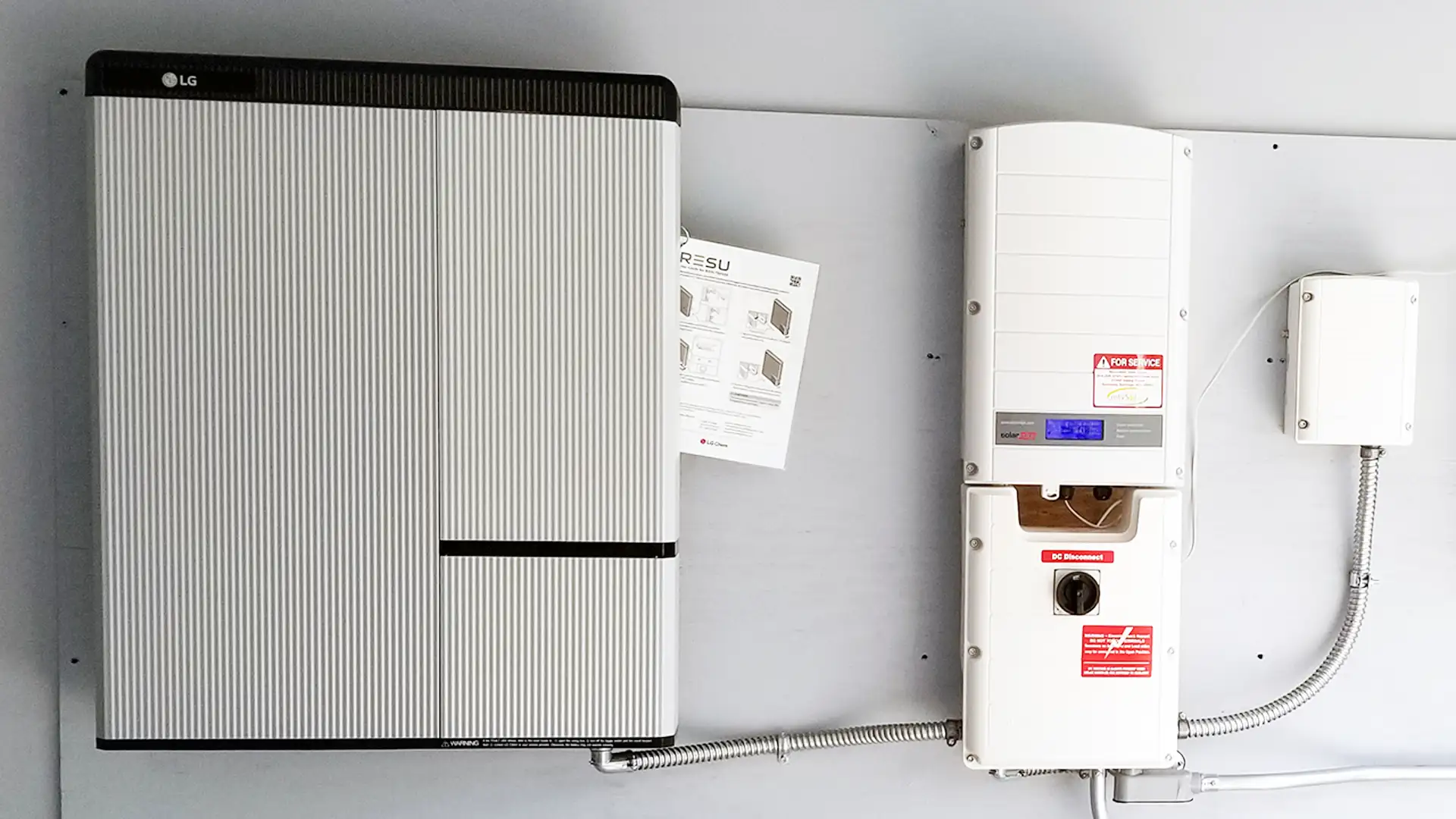
Hybrid inverters, common in systems installed from around 2020 onwards, are designed to connect directly to a DC-coupled battery. Standard string inverters, which make up the majority of older installations, are not battery-ready in this way. They require either replacement with a hybrid unit or the addition of an AC-coupled battery, which connects on the household circuit side rather than directly to the inverter.
AC coupling is a workable approach and avoids the cost of removing a functioning inverter, though it carries its own efficiency considerations. We assess your existing setup during the site visit and confirm the most appropriate configuration before quoting. If your inverter needs replacing, we include that in the scope and explain why.
For those yet to install solar panels and considering both at once, we can design a solar and battery system from scratch. A combined installation is generally more efficient in design and often reduces total cost compared with two separate projects.
Assessment:
We review your current solar output, export data, electricity bills, and inverter compatibility. For new solar-plus-battery installations, this covers both components together.
System design:
We recommend a battery type and usable capacity based on your consumption profile and solar output, and confirm the installation location.
Approvals:
Depending on system configuration and network connection, a grid notification may be required with Energex. We manage this process.
Installation:
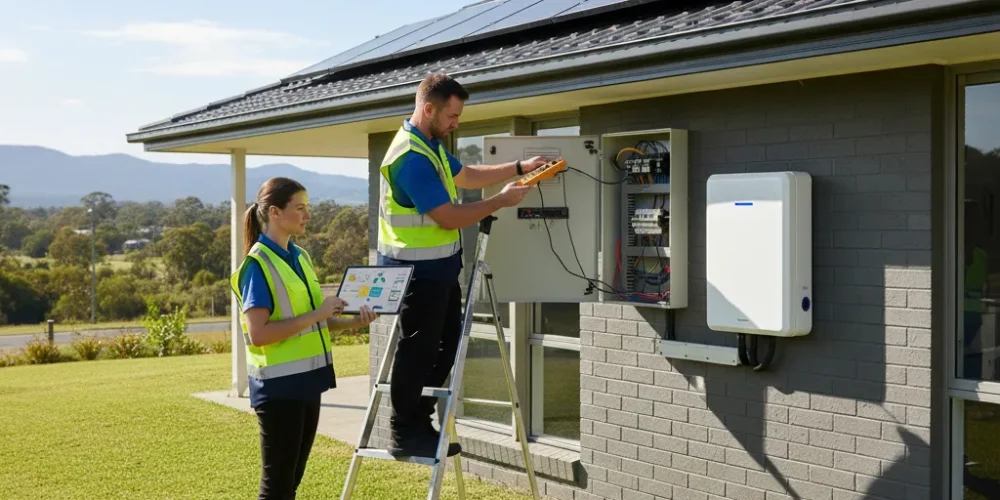
Our SAA-accredited installers complete the work in a single day for most residential setups. All electrical work is carried out to Australian Standards.
Commissioning and handover:
We configure the monitoring system, confirm charging and discharging is working correctly, and walk you through the app from day one.
“The installation was fast, professional, and the team explained everything clearly. We’re already seeing a great drop in our monthly power bill!”
“The process for our commercial solar system was seamless from quote to final connection. A solid investment that will pay off quickly for our business”
Whether you are adding battery storage to an existing solar system or planning a combined installation from scratch, the first step is an assessment of your property and usage.
Contact National Solar Network to arrange a consultation. We cover the full Sunshine Coast region, from Caloundra and Kawana through to Noosa and the hinterland.