Transform sunlight into clean, cost-effective energy for your home or business with our reliable solar solutions.
The Sunshine Coast averages more than 280 days of sunshine per year, placing it among the higher-performing regions in Australia for rooftop solar generation. From Caloundra to Noosa, the combination of solar irradiance and mild seasonal variation means systems here can produce strong output for much of the year.
But sunshine hours alone do not determine whether a solar system will perform well on your property. The Sunshine Coast is a varied environment. Coastal suburbs like Coolum Beach, Kawana, and Bokarina sit in persistent salt air. Hinterland properties in Buderim, Nambour, and Maleny carry different roof orientations, pitch profiles, and shading patterns. A system well-suited to one property may be a poor fit for another.
This page covers how National Solar Network approaches solar panel installation on the Sunshine Coast, and what to expect at each stage of the process.
System size is determined by a combination of factors: how much energy your household consumes, when it is consumed, how much usable roof space you have, and which way your roof faces.
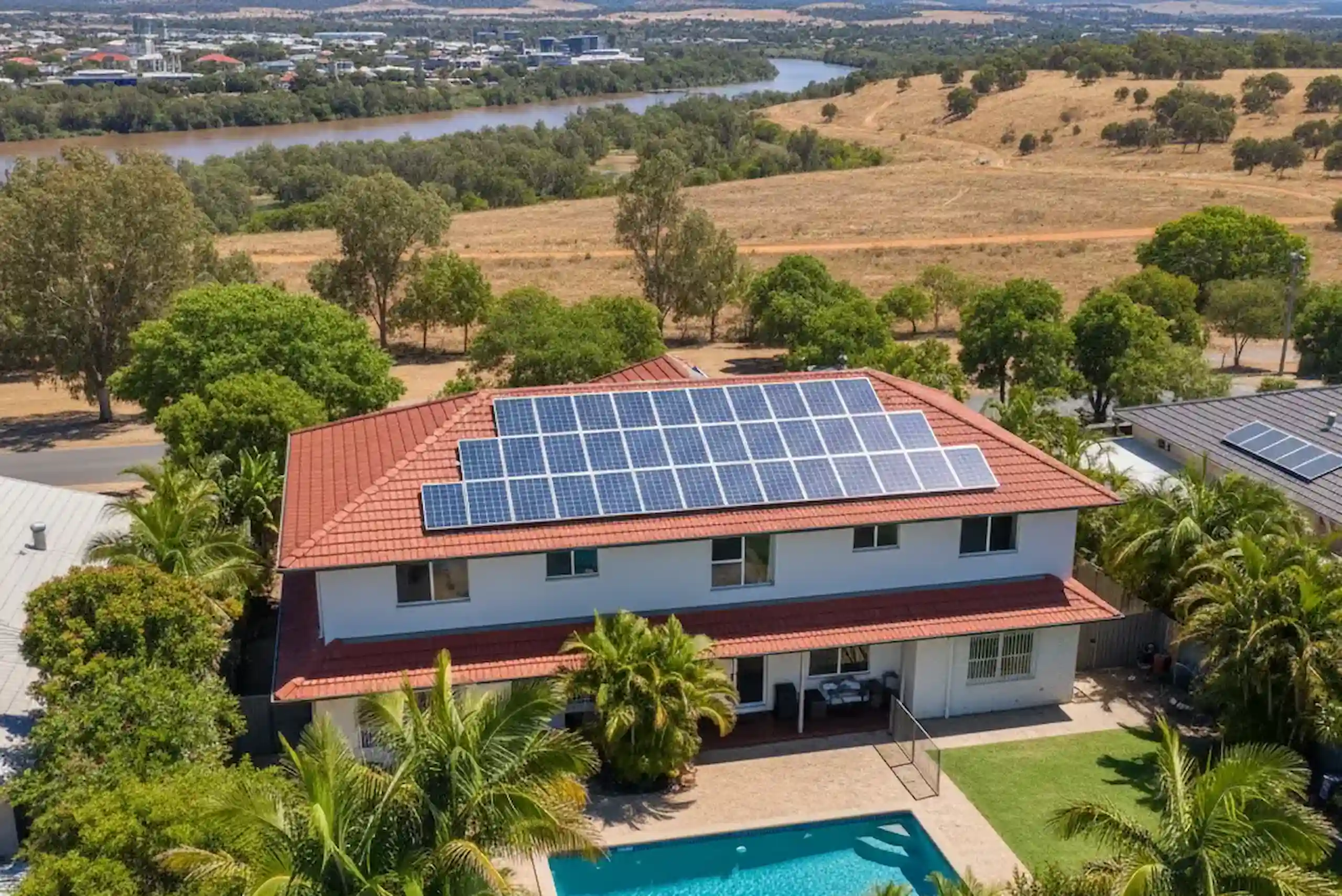
A north-facing roof on a four-bedroom home in Sippy Downs with consistent daytime usage might suit a 10kW system. A smaller property in Moffat Beach with east-west roof sections and limited unshaded space calls for a different configuration. Generic package sizes rarely account for these differences.
We use your actual bills and a roof assessment to arrive at a recommended size. If battery storage is something you are considering, that affects how the system is designed: a battery-ready setup is wired differently from one optimised for grid export alone.
Find out more about our residential solar installation service for Sunshine Coast homeowners.
Salt air and humidity accelerate corrosion on standard electrical components over time. For properties within a few kilometres of the coastline, this is a practical consideration when selecting panels, mounting hardware, and inverters.
We specify products with corrosion-resistant aluminium frames, sealed junction boxes, and appropriate IP-rated inverters for coastal installations. Inverters are positioned in sheltered, well-ventilated locations wherever the roof setup allows. These are not premium additions. They are standard considerations for Sunshine Coast properties, and we factor them into every coastal system design.
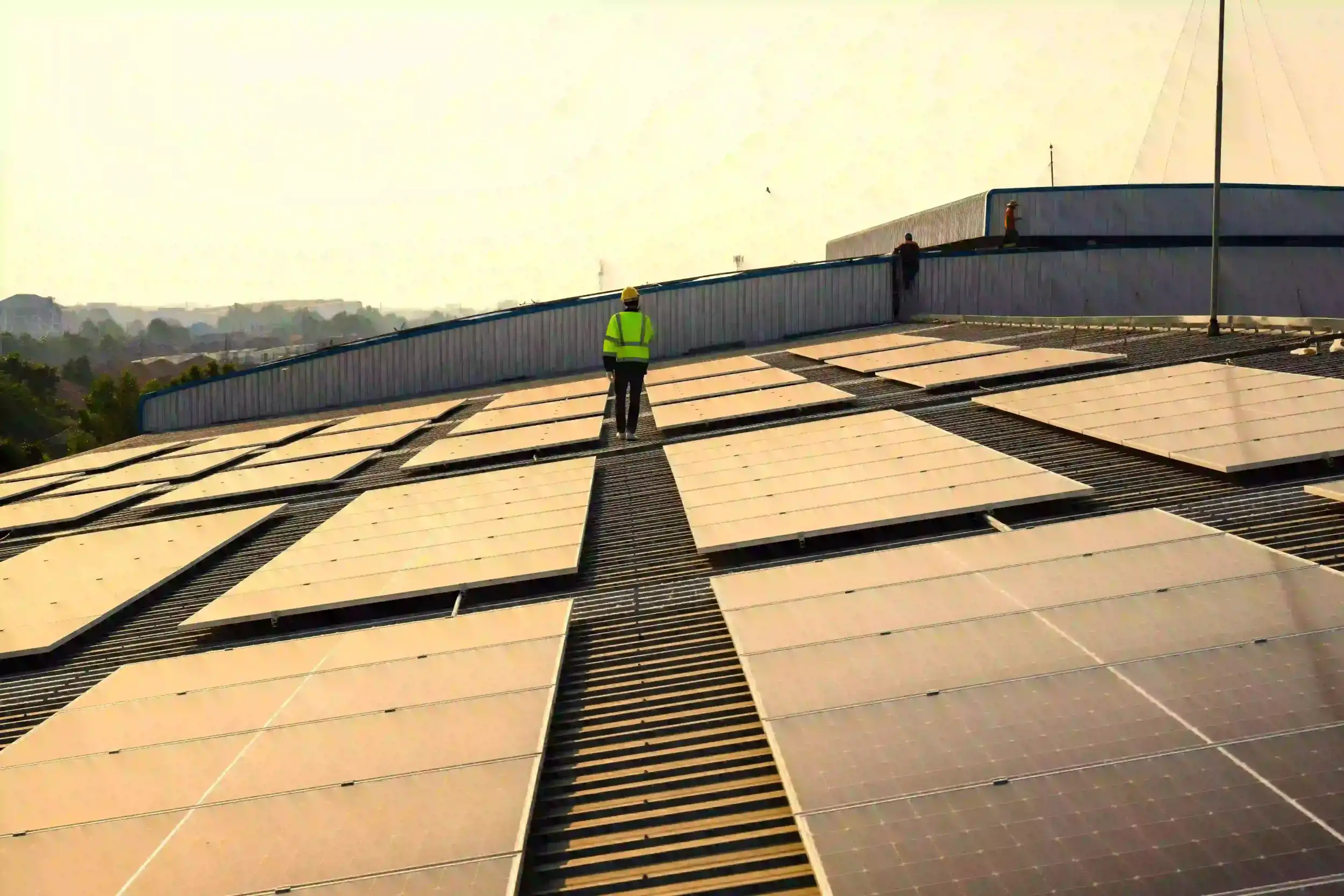
National Solar Network installs commercial solar systems for businesses across the Sunshine Coast, from smaller retail and hospitality premises through to larger warehouses and industrial facilities. System design is based on actual consumption data, roof suitability, and grid connection parameters. Package sizes are a starting point for conversation, not a fixed outcome.
For businesses, the timing of energy use is particularly important. A system sized for strong daytime generation performs very differently for a business drawing most of its load after hours. We factor your operating hours and consumption profile into the design from the initial assessment.
Commercial installations qualify for STCs under the federal scheme, with larger systems potentially eligible for additional financial support depending on configuration and use. We walk through what applies to your specific situation during the consultation.
Initial consultation:
We review your electricity bills, discuss your priorities, and note any property-specific constraints such as shading, roof access, or plans to add batteries or an EV charger further down the track.
Site assessment and system design:
A member of our team visits the property to inspect the roof, check the switchboard, and confirm the best panel placement and inverter location for your setup.
Approvals and scheduling:
We manage the grid connection application with Energex on your behalf and schedule the installation date once approvals are confirmed.
Installation:
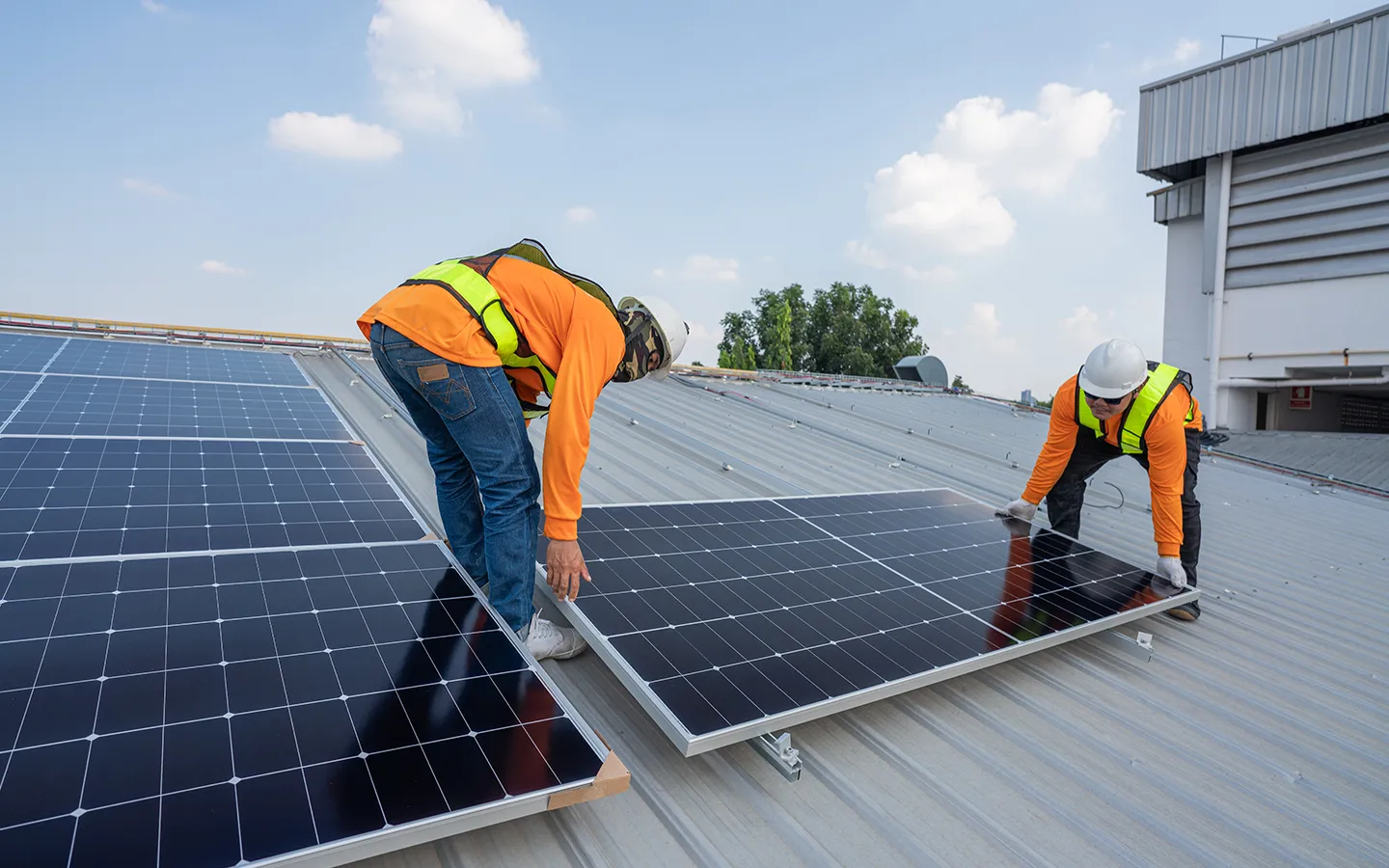
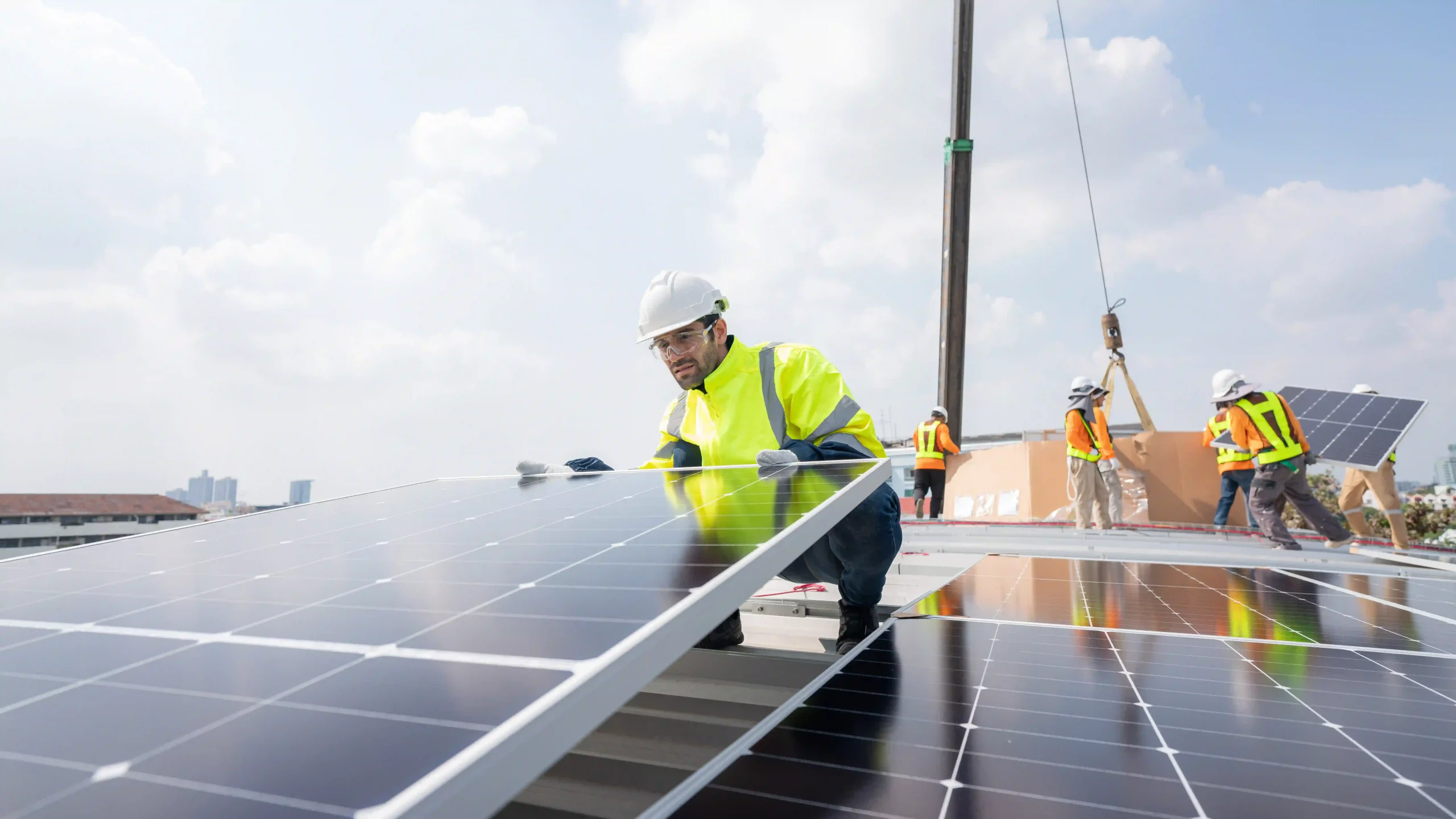
Our SAA-accredited installers complete the work in a single day for most standard residential systems. All wiring, mounting, and inverter commissioning are completed to Australian Standards.
Handover:
Once the system is live, we walk you through the monitoring app, confirm output readings, and provide documentation covering your warranties and grid connection details.
Most residential solar panel installations in Queensland are eligible for a reduction in upfront cost through Small-Scale Technology Certificates (STCs). The number of certificates your system generates depends on its size, your postcode, and the deeming period remaining under the federal scheme.
STCs are not a direct cash payment from the government. They are a financial instrument your installer can claim and apply to your purchase price, reducing what you pay at the point of sale. The value of each certificate fluctuates, so the reduction on a quote today reflects current market conditions.
If you are considering adding battery storage, the federal Cheaper Home Batteries Program offers a separate cost reduction on eligible battery systems. Not every product or installer configuration qualifies, and conditions apply. We confirm what your installation is eligible for during the assessment, before any contracts are signed.
For a full breakdown of current incentives, visit our Queensland solar rebates guide.
A solar system is a long-term asset. Most quality panels carry 30-year performance warranties, and inverters from established manufacturers are typically warranted for 10 years or more. Knowing what those warranties cover and who to contact when something changes matters as much as the installation itself.
National Solar Network sets up system monitoring as part of every installation. You get a live view of your system’s daily output through a smartphone app, making it straightforward to spot a drop in performance and raise it with us before a minor issue becomes a larger one.
If something needs attention, you contact us directly. We do not redirect post-sale enquiries to a third-party service team. For coastal properties, we also recommend a system check every few years, as salt exposure can affect cable connections and mounting hardware over time, even on well-specified systems.
“The installation was fast, professional, and the team explained everything clearly. We’re already seeing a great drop in our monthly power bill!”
“The process for our commercial solar system was seamless from quote to final connection. A solid investment that will pay off quickly for our business”
If you are considering solar panels for your Sunshine Coast home or business, the clearest next step is a conversation about your property and usage.
There are no obligations attached to a quote. It gives you a specific system recommendation and a realistic picture of costs and outputs for your property, not a generic estimate.
Contact National Solar Network to arrange a free consultation. We cover the full Sunshine Coast region, from Caloundra and Kawana through to Noosa and the hinterland.